Blueberry Method
The “Blueberry Vision Method” The Natural Approach Eye Specialists Are Starting to Discuss
An experienced ophthalmology specialist explains how a simple, nature-inspired routine built around antioxidant-rich ingredients has been explored by adults dealing with blurry vision, difficulty focusing, and age-related eye changes — without relying on injections or invasive procedures.
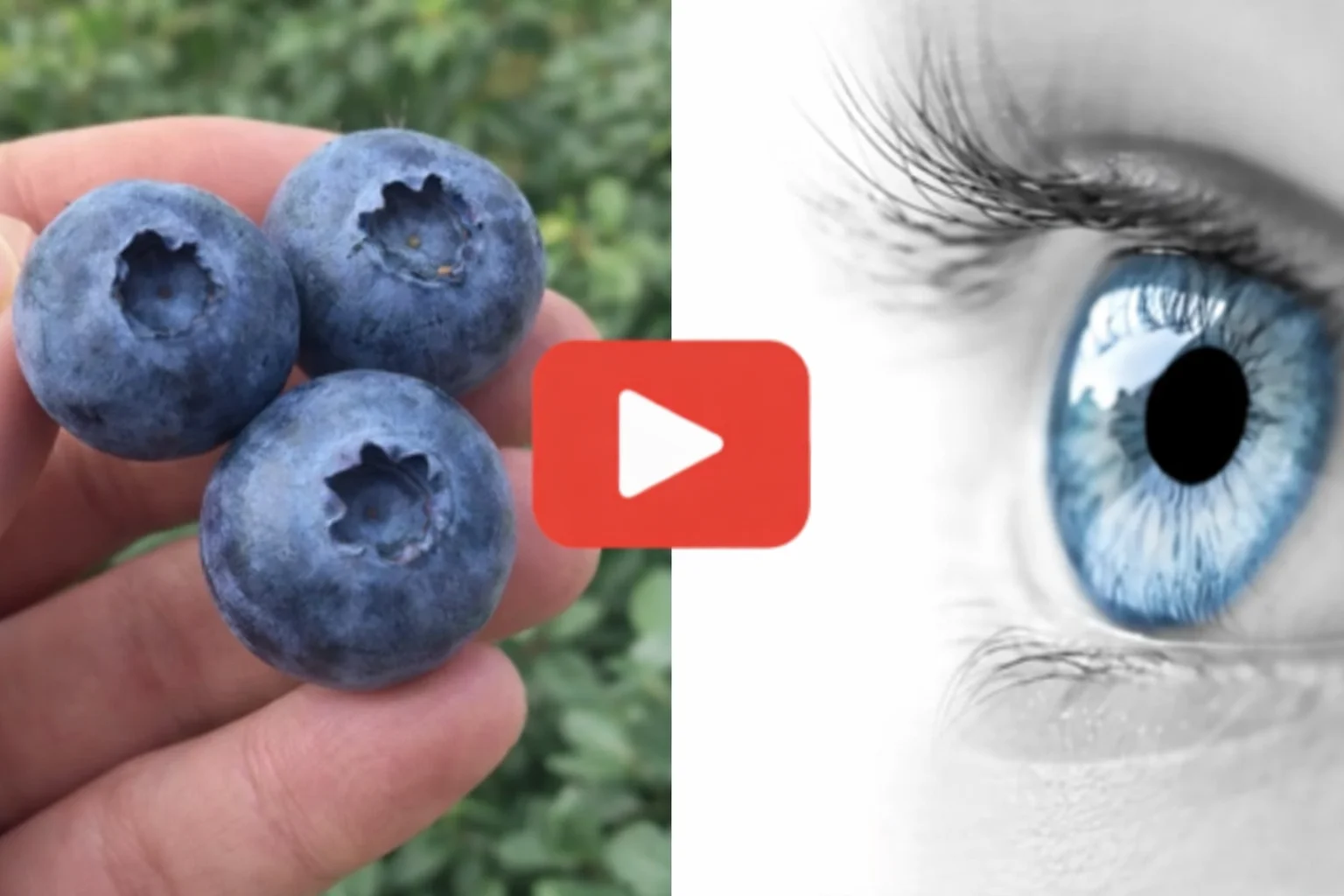
If you’ve noticed any of these changes in your vision lately — you’re not imagining it, and you’re definitely not alone.
Warning Signs
Check How Many of These Apply to You:
- A dark spot or blurry area in the center of your vision
- Straight lines that appear wavy or slightly distorted
- Difficulty reading small text — even with glasses
- Trouble driving at night or in low-light conditions
- Colors that seem dull, faded, or less vibrant
- Eyes feeling tired or strained by the middle of the day
- A growing sense that your vision is gradually worsening, despite regular checkups
If you checked two or more of these signs, a natural vision-support approach based on antioxidant-rich compounds — often referred to as a “blueberry vision method” — may be especially relevant to your situation, particularly for those concerned about age-related vision changes.
The American Academy of Ophthalmology estimates that more than 40 million Americans live with some form of age-related vision concern. Most are advised to monitor changes and return for routine eye exams each year.
What is discussed less often is a natural, evidence-informed approach centered on antioxidant-rich nutrients — commonly referred to as a “blueberry vision method” — that some eye care professionals are beginning to explore with patients as part of a broader conversation about eye health.
For many people, visits to the eye doctor focus mainly on updating prescriptions and tracking changes over time. But a growing body of research is shifting attention toward a different perspective — one that looks beyond correcting vision after it declines and instead focuses on supporting the biological processes that help maintain healthy visual function.

Daniel R. – Texas, USA
⭐⭐⭐⭐⭐ Verified User
“I started exploring natural ways to support my vision, but the results went beyond what I expected. Within a few weeks, I began noticing clearer focus when reading, less strain during the day, and an overall improvement in how my eyes felt. Colors seemed a bit more vivid, and I wasn’t struggling as much in low-light situations. It’s made a real difference in my daily routine — especially without needing anything invasive or complicated.”

Emma K. – Ohio, USA
⭐⭐⭐⭐⭐ Verified User
“After months of dealing with eye strain and difficulty focusing, I finally started noticing a real difference. My vision feels more stable throughout the day, reading has become easier, and I’m not dealing with that constant tired feeling in my eyes anymore. It’s helped me feel more comfortable and confident in my daily routine.”
Important: The information in this article is provided for educational purposes only. The “blueberry vision method” refers to a general nutritional approach and is not a medical treatment. It is not intended to diagnose, treat, cure, or prevent any disease. Individual experiences may vary. Always consult a qualified healthcare professional before starting any new supplement or making changes to your routine, especially if you are taking prescription medications or have an existing health condition.
The “blueberry vision method” is not just another diet trend or a simple home-based solution. It refers to a more structured approach centered on specific nutrients that have been studied for their role in supporting eye function at a deeper level.
At the core of this concept are naturally occurring compounds found in dark-colored berries, especially a group known as anthocyanins. These compounds have been widely researched for their ability to support healthy circulation, protect against oxidative stress, and contribute to overall visual performance.
What makes this approach stand out is the concentration of these compounds in certain wild-grown berries. Compared to commonly available varieties, some wild blueberries contain significantly higher levels of these active elements — which is why they are often highlighted in discussions around nutritional support for vision.
Rather than focusing only on external correction methods, this perspective looks at how to support the internal systems that play a role in maintaining visual clarity over time. The idea is not about quick fixes, but about providing consistent support to the biological processes that the eyes depend on every day.
Key Areas This Approach Focuses On
Support for retinal cells
Certain natural compounds found in dark berries have been explored for their antioxidant role, helping the eyes deal with long-term exposure to oxidative stress that can affect visual function over time.
Healthy eye circulation
Research has looked into how these nutrients may contribute to maintaining proper blood flow in the tiny vessels that nourish critical parts of the eye, including the retina and optic structures.
Inflammatory balance
Some studies suggest these compounds may interact with biological pathways linked to low-level inflammation, which is often associated with gradual changes in vision as people age.
Performance in low-light conditions
Early findings indicate that these nutrients may play a role in supporting the visual processes involved in adapting to darkness and seeing more clearly at night.
Improved nutrient utilization
This approach is sometimes combined with additional natural elements that may help the body better absorb and use these compounds efficiently.
Over the years, multiple studies have investigated how these types of nutrients relate to visual performance, eye circulation, and overall ocular function. While more large-scale human research is still ongoing, the consistency of early findings has increased interest in nutritional strategies aimed at supporting vision over time.
The Specialist Perspective Behind the “Blueberry Vision Method”
The idea behind the “blueberry vision method” did not emerge from a single study alone. It reflects a broader shift in thinking that has developed over time — especially among professionals who regularly work with individuals experiencing gradual changes in vision.
Many adults, particularly in later decades of life, often hear the same guidance during routine appointments: monitor your vision and return for follow-up exams. While this remains important, it has also led some practitioners and researchers to explore additional ways to support eye health beyond standard approaches.
In reviewing existing research, attention has been drawn to certain naturally occurring compounds found in dark berries. These compounds have been studied for their potential role in supporting key biological processes linked to visual function — including circulation, cellular protection, and overall ocular performance.
As a result, some professionals have begun discussing nutrition-based strategies as a complementary perspective — not as a replacement for medical care, but as an additional layer of support. This evolving conversation reflects growing interest in approaches that focus on maintaining the underlying systems the eyes depend on over time.
It’s important to understand that this type of approach is generally viewed as supportive rather than corrective. For many, the appeal lies in exploring non-invasive ways to care for their vision while continuing regular checkups and professional guidance.
This approach isn’t meant for everyone. However, if any of the situations below sound familiar, the information in this presentation may be especially worth your attention:
You’ve been diagnosed with age-related vision changes, such as macular concerns, and feel like you’re simply monitoring things without clear next steps
You’ve noticed a dark spot, blurred area, or distortion in your central vision that is being observed over time
Reading, driving at night, or recognizing faces has become more difficult — and glasses no longer seem to fully solve the issue
You’ve been told that more invasive options might be considered in the future and you’re interested in learning about non-invasive approaches to discuss with your doctor
You’re already using common vision-support supplements and want to understand what additional strategies may exist beyond standard recommendations
If any of these apply, the educational video below explains this nutrition-based approach, how it’s typically described, and the research that has contributed to growing interest around it.
Free Educational Presentation
Watch a detailed explanation of this “blueberry vision method” before considering more advanced interventions.
Natural approach. Non-invasive. No prescriptions required. Designed for educational purposes.
▶ Watch the Free Video
No email required · No purchase necessary · Informational content only
The idea behind this approach is not entirely new — what’s different is how existing findings have been brought together into a more practical framework. Over the past several decades, scientific studies have explored compounds found in dark berries and their relationship with visual function, circulation, and cellular protection.
What sets this approach apart from simply eating blueberries or using basic supplements is the focus on concentrated extracts that are standardized for specific active compounds. This type of standardization is what has been examined in research settings, as it allows for more consistent levels of the nutrients being studied — something that is difficult to achieve through diet alone.
By organizing these findings into a structured concept, this method aims to make complex research more understandable and accessible for individuals interested in supporting their eye health through nutritional strategies.
Disclosure: This content may include affiliate references, which means a commission could be earned if a purchase is made through certain links. This does not affect the information presented. The “blueberry vision method” is a nutritional approach and is not a medical treatment. Individual experiences may vary. These statements have not been evaluated by regulatory authorities and are not intended to diagnose, treat, cure, or prevent any disease.
Blueberry Vision Method — Frequently Asked Questions
What exactly is the “blueberry vision method”?
It refers to a nutrition-focused approach centered on specific compounds found in dark berries, especially those studied for their role in supporting eye function, circulation, and cellular protection. It is typically presented as a supportive strategy, not a medical treatment.
Is this the same as the “blueberry method,” “blueberry trick,” or “blueberry protocol” I’ve seen online?
In most cases, yes. These terms are often used interchangeably to describe similar concepts. However, the way the approach is explained or applied can vary depending on the source.
What’s the difference between this approach and simply eating blueberries?
While whole blueberries are a healthy food, this method usually refers to more concentrated forms of the active compounds. Research often focuses on standardized extracts, which provide consistent levels of these nutrients — something that is harder to achieve through diet alone.
Can this approach help with macular degeneration?
This method is sometimes discussed by people concerned about age-related vision changes, including macular health. However, it is not intended to diagnose, treat, or cure any condition. It should be viewed as a complementary approach and discussed with a healthcare professional.
Does it involve injections or surgery?
No. This approach is described as non-invasive and nutrition-based, focusing on supporting the body’s natural processes rather than medical procedures.
Where can I learn more about this method?
You can explore educational materials and presentations that explain how this approach works, the concepts behind it, and the research that has contributed to growing interest in this topic.
The information presented on this website has not been evaluated by the Food and Drug Administration or any other medical authority. This content is not intended to diagnose, treat, cure, or prevent any disease. All information is provided for educational purposes only. Always consult a qualified healthcare professional before making any decisions based on the content of this website, especially if you are pregnant, nursing, taking medication, or have a medical condition.
© Copyright 2026 Vision Clarity Center — All Rights Reserved